Water Well Drilling in Palm Beach County
New potable and irrigation wells for The Acreage, Loxahatchee, Wellington and the western communities. Permitting, drilling, casing, pump, and a water test on completion.
Get a Free Quote for Well Drilling
Book your free water test today. No pressure, no obligation — just clean, safe water for your family.
100% free · No obligation · Results in 45 minutes
Common Water Problems We Solve
No Well On The Property
New construction or a vacant lot in the western communities with no municipal water line at the street
Well Has Run Dry
Water level dropped below the pump intake, or the well produces air and sediment during dry season
Old, Failing Well
A shallow or undersized well from the 1970s–80s that silts up, loses pressure, or can no longer be repaired economically
Irrigation On City Water
Paying municipal rates to water two acres of lawn when an irrigation well would do it for the cost of electricity
Packages — every price, upfront
Four city-water systems. Real prices. Pick by home size.
Every package includes whole-home catalytic carbon filtration, softening, an under-sink reverse osmosis drinking-water system, professional installation and our lifetime guarantee. The free water check confirms sizing — it never changes the price you see here.
Answer both and we highlight the package most homes like yours start with.
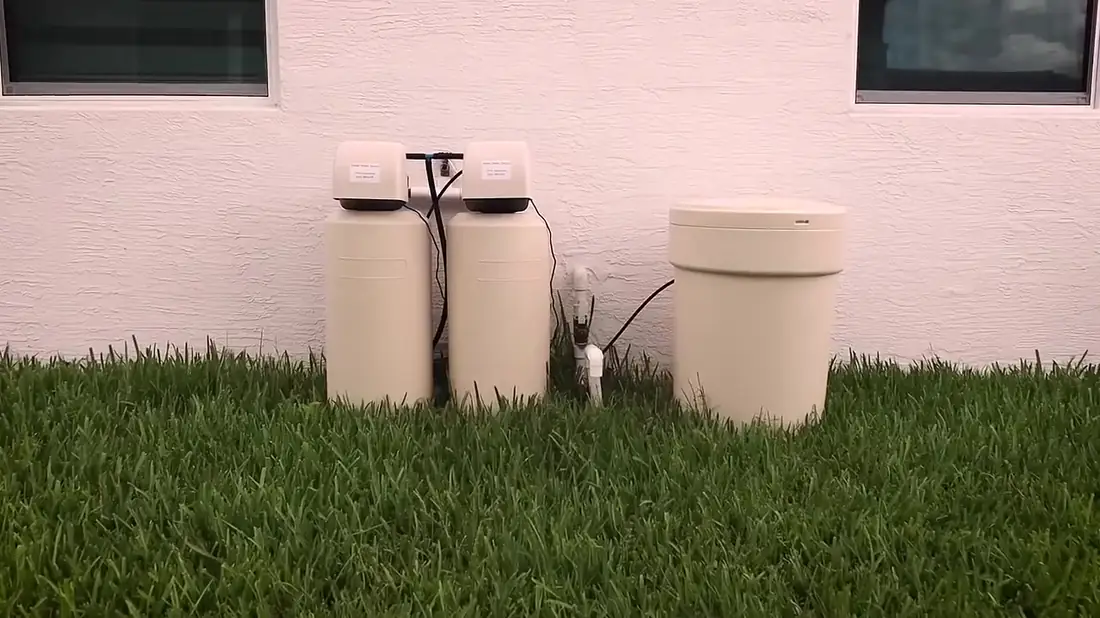
Standard
Single 10x54 mixed-media tank
Best for 1–3 bath homes · 1–4 people · city water
- Whole-home catalytic carbon filtration
- High-capacity softening resin
- Under-sink reverse osmosis drinking water
- Metered, demand-regenerating control valve
- Professional installation & post-install re-test
- Lifetime guarantee
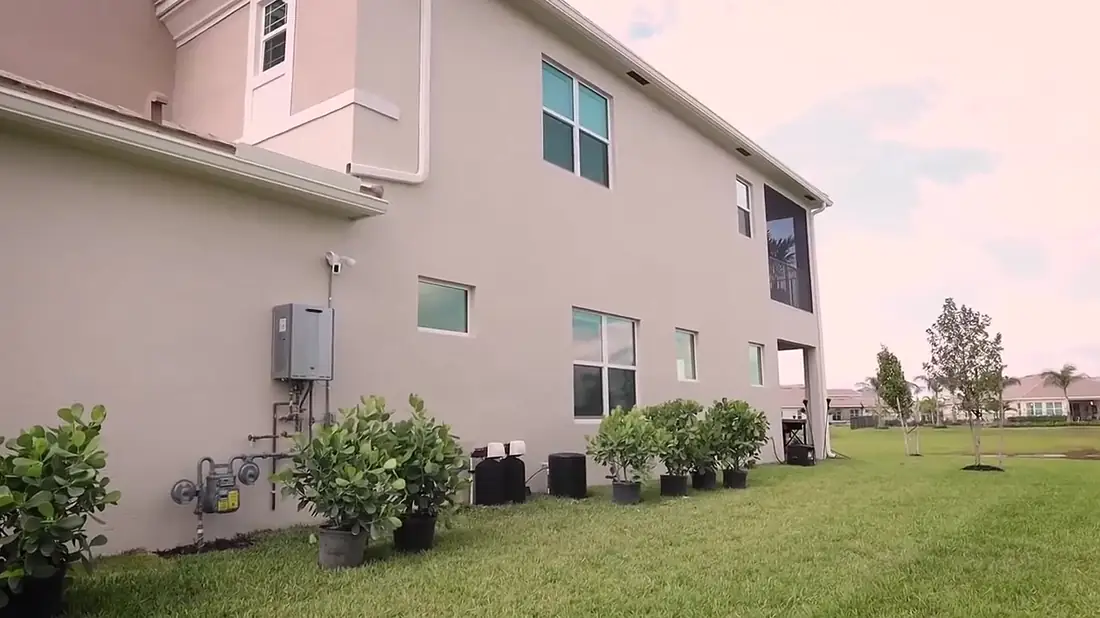
XL
Single 13x54 mixed-media tank
Best for 2–4 bath homes · 2–5 people · higher water use
- Everything in Standard
- Larger tank, more filtration media
- More softening capacity between regenerations
- Under-sink reverse osmosis drinking water
- Professional installation & post-install re-test
- Lifetime guarantee
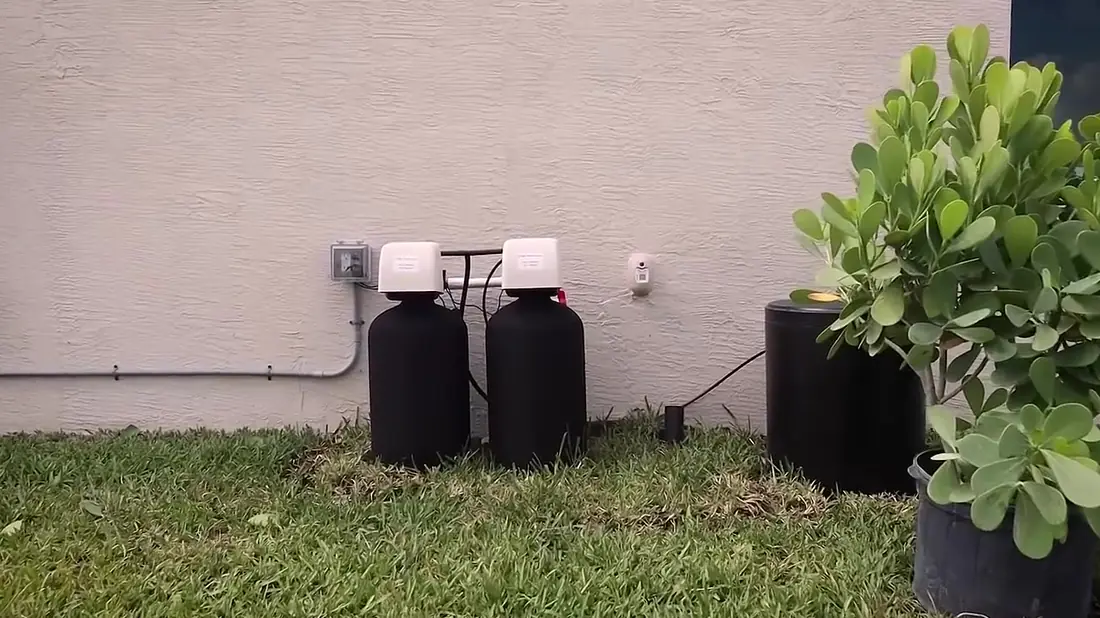
Performance
Dedicated 10x54 carbon + 10x54 softener tanks
Best for 3–5 bath homes · 3–6 people
- Dedicated carbon tank — full contact time for chloramine
- Dedicated softener tank — no media compromise
- Under-sink reverse osmosis drinking water
- Metered, demand-regenerating control valves
- Professional installation & post-install re-test
- Lifetime guarantee
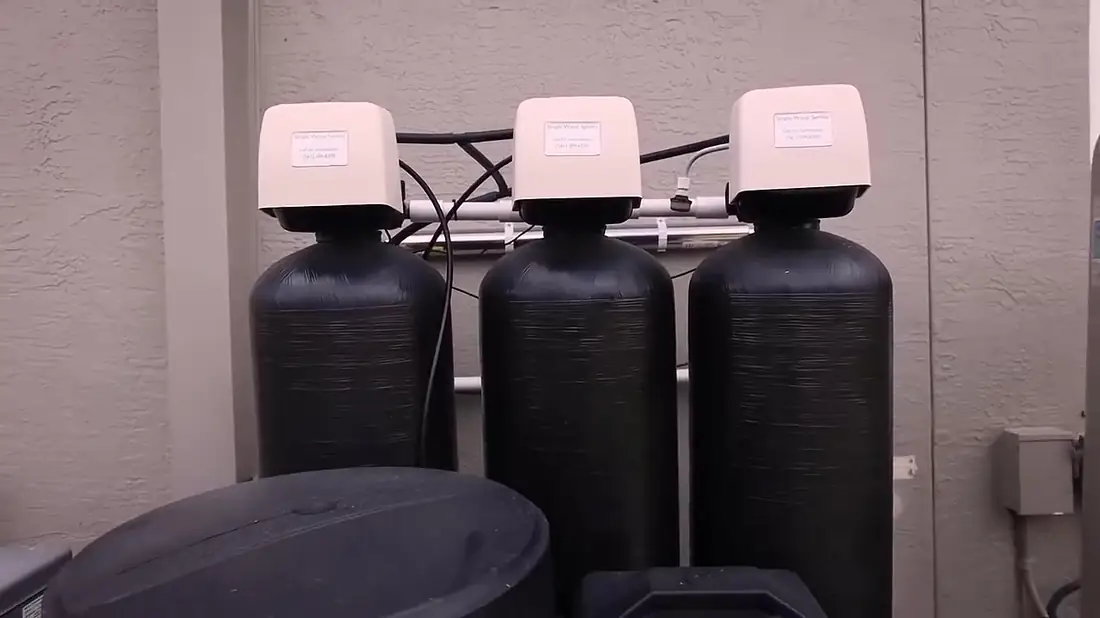
Ultimate
Dedicated 13x54 carbon + 13x54 softener tanks
Best for 4+ bath homes · 4+ people · pool homes, large families
- Maximum filtration capacity
- Maximum softening capacity
- Under-sink reverse osmosis drinking water
- Metered, demand-regenerating control valves
- Professional installation & post-install re-test
- Lifetime guarantee
What It Actually Takes To Drill A Well In Palm Beach County
Most of Palm Beach County west of the turnpike is not on municipal water. In The Acreage, Loxahatchee, Loxahatchee Groves and parts of western Wellington, homes draw from private wells into the Surficial Aquifer — usually somewhere between 60 and 160 feet down, depending on where the good producing sand sits under your lot. A well is not a commodity: two houses on the same street can need different depths, different casing lengths, and very different treatment afterward. That is why we site and test rather than quote a number over the phone.
What a new well costs in Palm Beach County
For a standard residential potable well in the western communities — 4-inch casing, drilled to the Surficial Aquifer, with a new submersible pump, pressure tank and wiring — budget roughly $6,500 to $12,000. The spread is real, and it comes down to four things: total depth, how much casing has to be set and grouted, the pump horsepower your depth and pressure demand require, and how far the well sits from the house and the electrical panel.
An irrigation-only well is cheaper, often $4,500 to $8,000, because it does not need potable-grade construction, sanitary sealing to the same standard, or drinking-water treatment on the back end. If your only goal is to stop paying utility rates to irrigate a large lot, this is usually the fastest payback in the western communities.
Two costs people forget. First, permitting and water testing — modest, but not zero, and non-negotiable. Second, treatment. Raw well water out here is almost never ready to drink: iron, hydrogen sulfide and hardness are the norm. Plan on a treatment system after the well, typically $2,500 to $5,500 depending on your test results. We would rather tell you that up front than have you discover it the week after the rig leaves. See well water filtration for what that side involves.
We do not quote a well without seeing the property. Anyone who does is guessing at your depth and will "discover" the difference mid-job. If you are shopping for a water well company serving Wellington and the western communities, that hub page covers pump service, abandonment and annual maintenance as well.
How deep does a well need to be here?
In the western Palm Beach County communities most residential potable wells land between 80 and 160 feet. Irrigation wells are often shallower, sometimes 40 to 80 feet, because the water only needs to be wet, not clean.
Depth is not a preference, it is dictated by geology. We drill until we hit a sand formation that will actually yield water at the rate your household needs, then set casing past the unstable and shallow-contaminated layers above it. Going deeper than necessary wastes your money; stopping short gives you a well that runs sandy or drops out in May when the water table is at its lowest.
This is the single biggest reason old wells fail out here. A well drilled shallow in 1978 in The Acreage may have been fine for decades, then stopped keeping up once the neighborhood filled in and dry-season drawdown got deeper. If your well produces air, spits sand, or loses pressure only in spring, depth is usually the culprit — and that is a diagnosis we make before recommending a replacement.
Permits, setbacks and the rules that actually apply
You cannot legally drill a water well in Palm Beach County without a water well construction permit issued before work begins. The county's Environmental Resources Management department administers it under the state's water well construction rules, and the well has to be constructed by a licensed water well contractor. We handle the filing as part of the job.
The rules that most often change where a well can go are the setbacks: a potable well has to sit a required distance from septic tanks and drainfields, property lines, and any potential contamination source on the lot. On a one-acre Acreage parcel with a septic system and a drainfield already in place, that can leave a surprisingly small window of legal, drillable ground. We work that out during the site visit, before you have paid for anything.
Abandoning an old well has rules too, and they are not optional — an unused well is a direct pipe into the aquifer that supplies your drinking water. See well abandonment.
One more practical note: a rig needs access. If the only route to the drill site is between a pool cage and a fence, we need to know that before the truck is on your street, not after.
How long the whole thing takes
The drilling itself is usually one to two days for a residential well. Setting the pump, tank and wiring is typically another day. So the physical work is a matter of days, not weeks.
The schedule is driven by permitting, not drilling. Expect a few weeks from signed proposal to water at the tap in a normal case, most of it waiting on the permit. Emergency situations — a dead well and a family with no water — we prioritize, and in the meantime we can often get a temporary supply arrangement working while the paperwork moves.
After the well is in, we pull a water sample. Iron, sulfide and hardness results determine what treatment you need, and we size that system off your actual numbers rather than a template. If you would rather see the water quality picture for your specific community first, start with water quality testing.
Benefits of Well Drilling
Our Process
Simple, fast, and done at your home.
Site Visit & Well Siting
We walk the property, locate the well where code allows it — minimum setbacks from septic drainfields, property lines, and structures — and confirm rig access.
Permitting
A water well construction permit is required before drilling in Palm Beach County. We prepare and file it, and we do not put a rig on your property until it is issued.
Drilling & Casing
We drill to the target formation, set and grout PVC casing to protect the well from surface contamination, and develop the well until it runs clear.
Pump, Tank & Water Test
We install the submersible pump, pressure tank and wiring, then test flow rate and pull a water sample so you know what you actually have before we leave.
524 Customers Gave Us 5 Stars
Palm Beach County's most trusted water treatment company — rated 5.0 stars across 524 verified Google reviews.
524 Reviews on Google →“Called three companies before SWS. They were the only ones who tested our water BEFORE trying to sell us anything. That honesty earned our business immediately.”
“After their specialist came out and analyzed our water, we installed the whole-home RO. The difference is immediately noticeable — water tastes completely different and our skin has been less dry.”
“They came the same day I called, tested our water, and had a quote within an hour. Install was clean and fast. No upselling, no pressure. Just honest service.”
“I was skeptical about the financing but they walked me through everything. 0% for 12 months, system installed the next day. Best home improvement we’ve ever made.”
“Our Wellington water was destroying our fixtures. SWS installed a softener and whole-home filter — no more white spots, no more chemical smell. Should have done this years ago.”
“We have well water in The Acreage with terrible sulfur smell. Their AirGuard system completely eliminated it. Our water is crystal clear now.”
Frequently Asked Questions
Answers to the questions we hear most from Palm Beach County homeowners.
Budget roughly $6,500 to $12,000 for a residential potable well including the submersible pump, pressure tank and wiring. Irrigation-only wells typically run $4,500 to $8,000. Final cost depends on total depth, casing length, pump size, and distance from the house and electrical panel. Plan separately for a treatment system, usually $2,500 to $5,500, because raw well water in the western communities almost always contains iron, sulfur or hardness.
Book a Free Water Test
Book your free water test today. No pressure, no obligation — just clean, safe water for your family.
100% free · No obligation · Results in 45 minutes
Clean Water Today.
Claim your $500 system credit today. Our specialists are ready to help homeowners across Palm Beach County finally get clean, soft water — and save $500 doing it.
Financing available · As low as $0 down · As low as $49/month for whole-home systems