Water Well Maintenance in Palm Beach County
Annual inspection, bacteria and chemistry testing, well disinfection and equipment checks. The cheapest well work you will ever pay for.
Get a Free Quote for Water Well Maintenance
Book your free water test today. No pressure, no obligation — just clean, safe water for your family.
100% free · No obligation · Results in 45 minutes
Common Water Problems We Solve
Nobody Has Looked At It In Years
Private wells have no utility maintaining them — if you do not test it, nobody does
Iron Bacteria Buildup
Slime coating the screen, drop pipe and tank, slowly strangling flow until it mimics a failing pump
Untested Drinking Water
Bacteria, nitrates and iron change over time. Last decade's test result is not current information
Surprise Failures
Pressure tanks and pumps almost always give warning signs months before they strand you without water
Packages — every price, upfront
Four city-water systems. Real prices. Pick by home size.
Every package includes whole-home catalytic carbon filtration, softening, an under-sink reverse osmosis drinking-water system, professional installation and our lifetime guarantee. The free water check confirms sizing — it never changes the price you see here.
Answer both and we highlight the package most homes like yours start with.
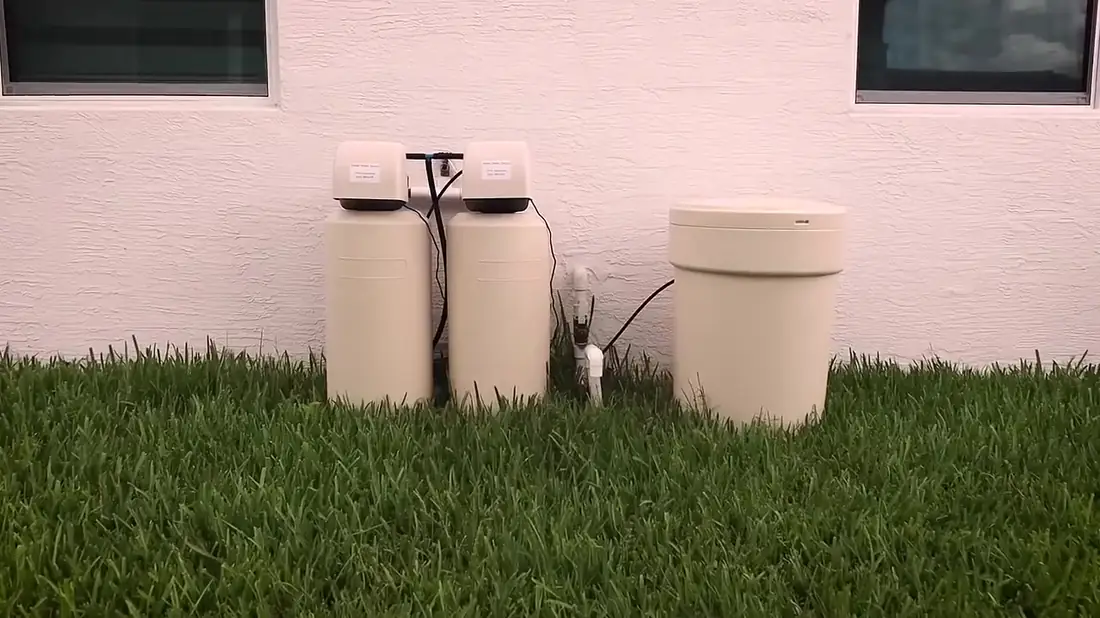
Standard
Single 10x54 mixed-media tank
Best for 1–3 bath homes · 1–4 people · city water
- Whole-home catalytic carbon filtration
- High-capacity softening resin
- Under-sink reverse osmosis drinking water
- Metered, demand-regenerating control valve
- Professional installation & post-install re-test
- Lifetime guarantee
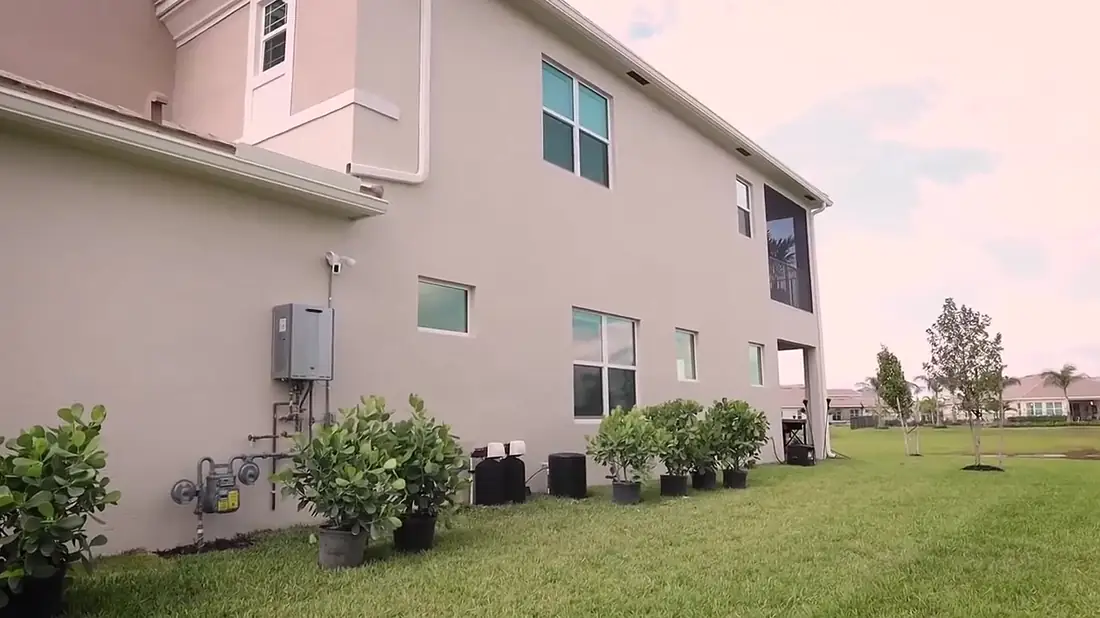
XL
Single 13x54 mixed-media tank
Best for 2–4 bath homes · 2–5 people · higher water use
- Everything in Standard
- Larger tank, more filtration media
- More softening capacity between regenerations
- Under-sink reverse osmosis drinking water
- Professional installation & post-install re-test
- Lifetime guarantee
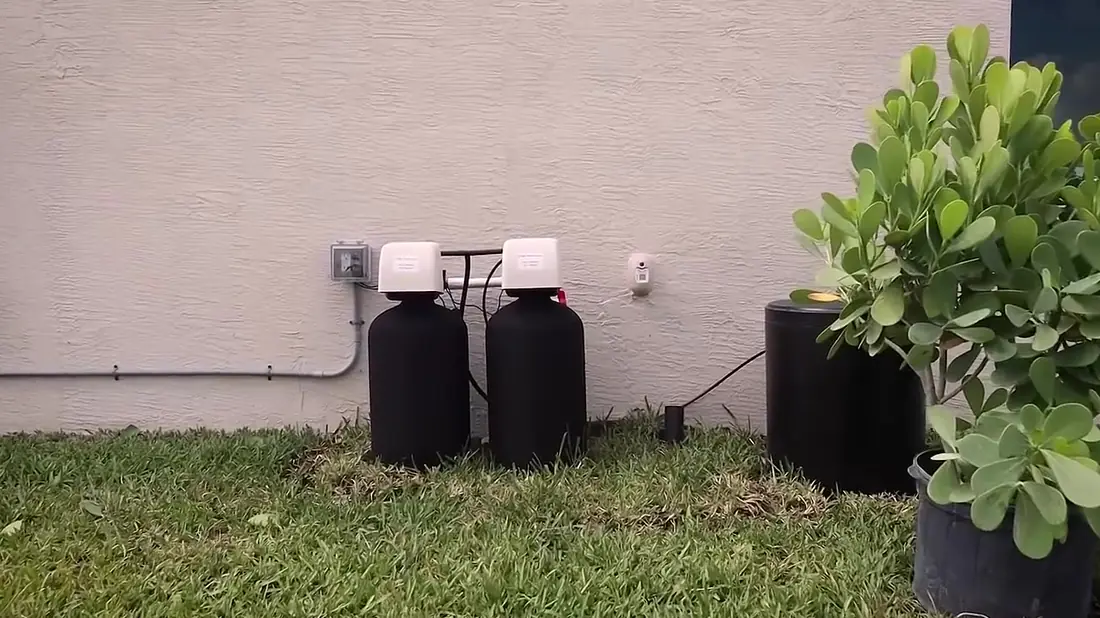
Performance
Dedicated 10x54 carbon + 10x54 softener tanks
Best for 3–5 bath homes · 3–6 people
- Dedicated carbon tank — full contact time for chloramine
- Dedicated softener tank — no media compromise
- Under-sink reverse osmosis drinking water
- Metered, demand-regenerating control valves
- Professional installation & post-install re-test
- Lifetime guarantee
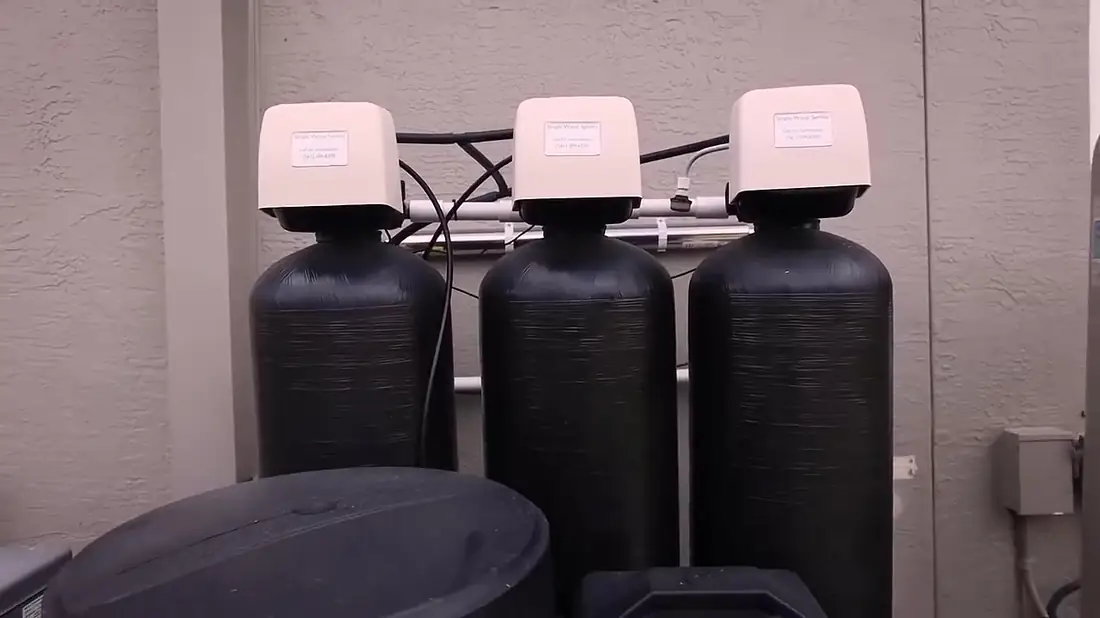
Ultimate
Dedicated 13x54 carbon + 13x54 softener tanks
Best for 4+ bath homes · 4+ people · pool homes, large families
- Maximum filtration capacity
- Maximum softening capacity
- Under-sink reverse osmosis drinking water
- Metered, demand-regenerating control valves
- Professional installation & post-install re-test
- Lifetime guarantee
Nobody Maintains A Private Well Except You
On municipal water, a utility tests continuously and is legally accountable for what comes out of your tap. On a private well in The Acreage, Loxahatchee or Wellington's western parcels, that responsibility is entirely yours, and there is no alert when something changes. Bacteria can enter through a cracked well cap without changing the taste. Iron bacteria can cut your flow rate in half over a couple of years and feel exactly like a dying pump. An annual visit catches all of it while it is still cheap.
What annual well maintenance should include
A real maintenance visit is more than a taste test. Ours covers four things.
Water quality testing. Bacteria (total coliform and E. coli), hardness, iron, hydrogen sulfide, pH, nitrates and TDS. You get the written numbers. Nitrates matter especially on the western parcels, where septic systems and agricultural history sit close to shallow wells.
Wellhead integrity. The cap, the seal, and the casing above grade. A cracked or missing well cap is the single most common way bacteria and insects get into an otherwise sound well, and it is a cheap fix that people never think to check.
Pump and pressure system. Tank pre-charge, pressure switch, control box, amp draw at the motor, and cut-in/cut-out pressures. This is where we catch failures early — a tank losing its charge is obvious to us months before it leaves you without water.
Treatment equipment. Media condition, backwash frequency, timer programming, salt level, filter changes. Treatment systems fail quietly: the water tastes fine for a while after the media has stopped working. See filter maintenance service.
How often to test your well water
The standard guidance, which we agree with: bacteria annually, and a broader chemistry panel every year or two. Test outside that schedule whenever any of the following happens.
After any work on the well — pump replacement, plumbing repairs, anything that opened the system.
After flooding or a major storm. Surface water reaching a wellhead is the classic contamination event, and South Florida gets the conditions for it every year.
Whenever something changes — new taste, smell, cloudiness, staining, or a drop in pressure.
Before a baby or an immunocompromised family member is in the house, particularly for nitrates, which are a genuine infant health concern and are invisible and tasteless.
When buying a home on a well. Test before closing, not after. See water quality testing.
Iron bacteria: the slow strangler
This is the problem we find most often on wells that have gone years without attention, and homeowners almost never see it coming because it presents as a pump problem.
Iron bacteria are naturally occurring organisms that feed on dissolved iron — abundant in the Surficial Aquifer. They are not a direct health threat, but they produce a rust-colored slime that coats the well screen, the drop pipe, the pressure tank and the inside of your plumbing. The result is falling flow rate, orange staining, a swampy or oily smell, and clogged filters and irrigation emitters.
Because it builds gradually, people adapt to it. Then a technician diagnoses "low flow, failing pump," replaces a perfectly good pump, and the problem returns — because the restriction was biological, not mechanical.
The fix is proper shock chlorination at sufficient concentration and contact time through the well and the whole plumbing system, followed by a retest, plus iron filtration to remove the food supply. Done properly it restores flow. Done as a bottle of bleach down the casing, it does nothing.
What it costs, and why it is the cheapest well work there is
An annual maintenance visit with testing is a modest, predictable expense. Compare it to the things it prevents: a submersible pump replacement runs $1,400 to $3,200, a new well $6,500 to $12,000, and a contamination event means bottled water and remediation on someone else's timetable.
The honest case for maintenance is not that the well will never fail. It is that you get to choose when. A pressure tank we flag in November gets replaced on a Tuesday for a known price. The same tank left alone fails in April, takes the pump with it, and becomes an emergency call with a family showering at a neighbor's house.
We schedule reminders so the visit actually happens — the most common maintenance interval we encounter in the field is "never," and it is not because homeowners do not care. Nobody sends you a bill for it, so nothing prompts it. Call (561) 309-6270 or book a free water test and we will start with your numbers.
Benefits of Water Well Maintenance
Our Process
Simple, fast, and done at your home.
Full Water Test
We test for bacteria, hardness, iron, hydrogen sulfide, pH, nitrates and TDS — and give you the written numbers, not a verdict.
Equipment Inspection
Wellhead and cap integrity, casing above grade, pressure tank pre-charge, switch and control box, amp draw, and cut-in/cut-out pressures.
Disinfect When Warranted
If results or flow indicate bacteria, we shock chlorinate the well and plumbing properly, then retest rather than assuming it worked.
Treatment System Service
Media condition, backwash cycles, timer settings, salt levels and filter changes on whatever treatment the well feeds.
524 Customers Gave Us 5 Stars
Palm Beach County's most trusted water treatment company — rated 5.0 stars across 524 verified Google reviews.
524 Reviews on Google →“Called three companies before SWS. They were the only ones who tested our water BEFORE trying to sell us anything. That honesty earned our business immediately.”
“After their specialist came out and analyzed our water, we installed the whole-home RO. The difference is immediately noticeable — water tastes completely different and our skin has been less dry.”
“They came the same day I called, tested our water, and had a quote within an hour. Install was clean and fast. No upselling, no pressure. Just honest service.”
“I was skeptical about the financing but they walked me through everything. 0% for 12 months, system installed the next day. Best home improvement we’ve ever made.”
“Our Wellington water was destroying our fixtures. SWS installed a softener and whole-home filter — no more white spots, no more chemical smell. Should have done this years ago.”
“We have well water in The Acreage with terrible sulfur smell. Their AirGuard system completely eliminated it. Our water is crystal clear now.”
Frequently Asked Questions
Answers to the questions we hear most from Palm Beach County homeowners.
Once a year. That visit should include bacteria testing, a broader chemistry panel every year or two, wellhead and cap inspection, pressure tank and pump checks, and service of any treatment equipment. Test additionally after any work on the well, after flooding, or whenever taste, smell, clarity or pressure changes.
Book a Free Water Test
Book your free water test today. No pressure, no obligation — just clean, safe water for your family.
100% free · No obligation · Results in 45 minutes
Clean Water Today.
Claim your $500 system credit today. Our specialists are ready to help homeowners across Palm Beach County finally get clean, soft water — and save $500 doing it.
Financing available · As low as $0 down · As low as $49/month for whole-home systems